
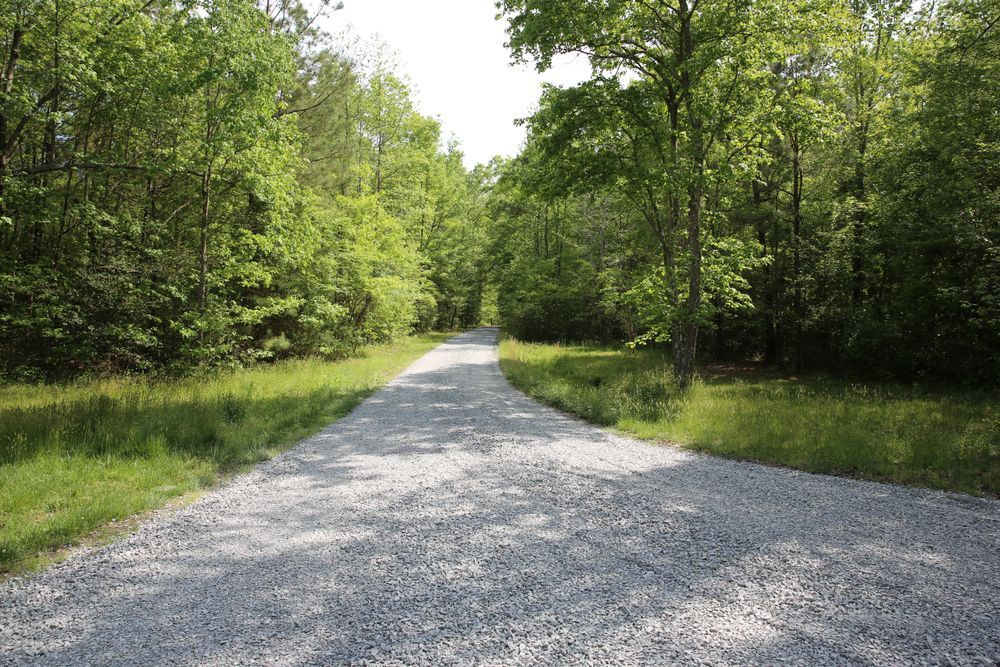
Driveways Built to Handle Texas Weather
Gravel Driveways in Porter for reliable property access, resurfacing failing drives, and cost-effective rural installation
Wood Family Land Management installs gravel driveways across Porter and surrounding areas, providing durable, well-drained access for residential and rural properties where paved options are impractical or unnecessary. You choose gravel when you need a surface that handles heavy rain, truck traffic, and seasonal ground movement without the expense and maintenance challenges of asphalt or concrete. This service includes base preparation, proper grading, and selection of aggregate materials that perform under the specific soil and usage conditions found on your property.
A gravel driveway begins with excavating the existing surface to a depth that accommodates a compacted base layer, usually four to six inches of crushed limestone or road base, followed by a top layer of angular gravel that resists displacement under vehicle weight. The base is graded to match the surrounding terrain while maintaining enough slope to shed water, and each layer is compacted with a vibratory roller to prevent rutting and settling. In Porter, where clay soils expand and contract with moisture, the base layer provides a stable platform that separates the gravel from the underlying ground.
If you need a new driveway installed or an existing gravel surface repaired, request a quote to discuss material options and site-specific requirements for your property.
Installation Process and Long-Term Performance
You start by staking the driveway path and identifying areas where the grade needs adjustment to prevent water from pooling or eroding the surface. The crew excavates to the planned depth, removes unsuitable material, and installs geotextile fabric if the soil is soft or prone to mixing with the base layer. Base material is spread in lifts and compacted until the surface is firm and uniform, then the top layer of gravel is applied and rolled to lock the stones together.
After installation, you will see a smooth, stable driveway that drains quickly and supports vehicle traffic without forming ruts or washboard patterns. The gravel surface stays in place during heavy rain, and the base layer prevents the driveway from sinking into the ground over time. Wood Family Land Management builds gravel driveways designed to handle the weather and usage conditions typical of Southeast Texas, minimizing the need for frequent resurfacing or repair.
Services also include resurfacing worn driveways by adding new gravel and regrading the base, as well as repairing sections damaged by erosion or heavy equipment. The work does not include paving, concrete installation, or drainage structure placement, but the finished driveway is ready to serve as permanent property access or as a temporary surface during construction.
Gravel driveways involve decisions about materials, maintenance, and design that affect both upfront cost and long-term performance, so here are answers to the questions that come up most often.
Questions About Gravel Driveway Projects
What type of gravel works best for driveways?
Angular crushed limestone or granite in three-quarter-inch to one-inch size provides the best interlock and resistance to displacement, while smaller pea gravel shifts under tires and requires more frequent maintenance.
How thick should a gravel driveway be?
A minimum of four inches of compacted base plus two inches of top gravel is standard for residential driveways, though heavier traffic or softer soil may require six to eight inches of base material for adequate support.
When does a gravel driveway need resurfacing?
You will notice ruts, exposed base material, or uneven surface texture after several years of use, especially in high-traffic areas near gates or turns, which indicates it is time to add new gravel and regrade the surface.
Why does fabric sometimes get installed under gravel driveways?
Geotextile fabric prevents the base layer from mixing with soft or clay-heavy soil, which would otherwise reduce compaction and allow the driveway to settle unevenly or develop soft spots during wet weather.
What happens if the driveway starts to wash out in Porter's heavy rains?
Erosion usually occurs where the grade is too steep or drainage channels are blocked, which can be corrected by adjusting the slope, adding drainage swales, or installing culverts to direct water away from the driveway surface.
Wood Family Land Management works with property owners throughout Porter to install and repair gravel driveways that provide long-lasting, low-maintenance access. Reach out to discuss your driveway project and receive a detailed quote based on your site conditions and material preferences.